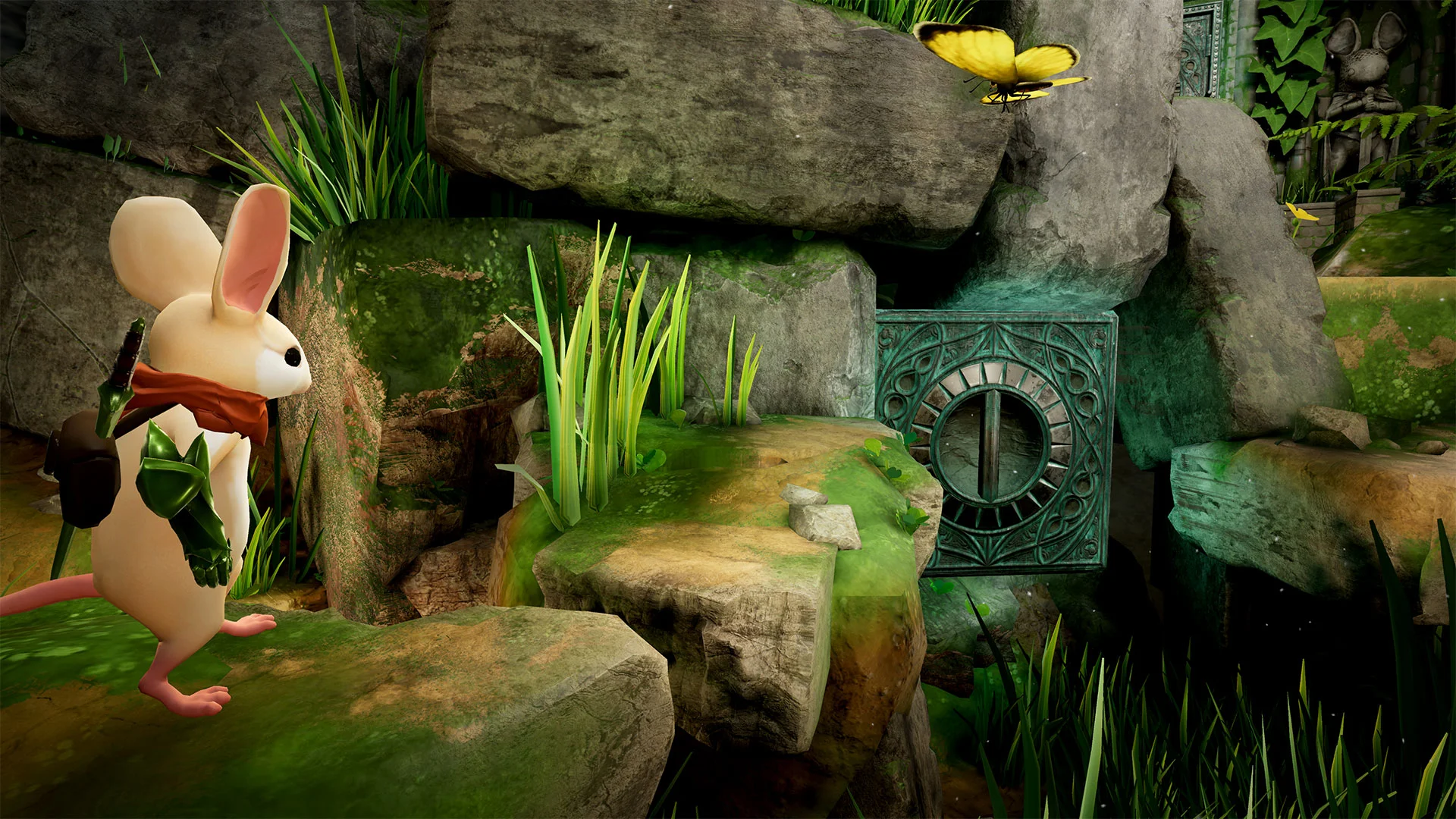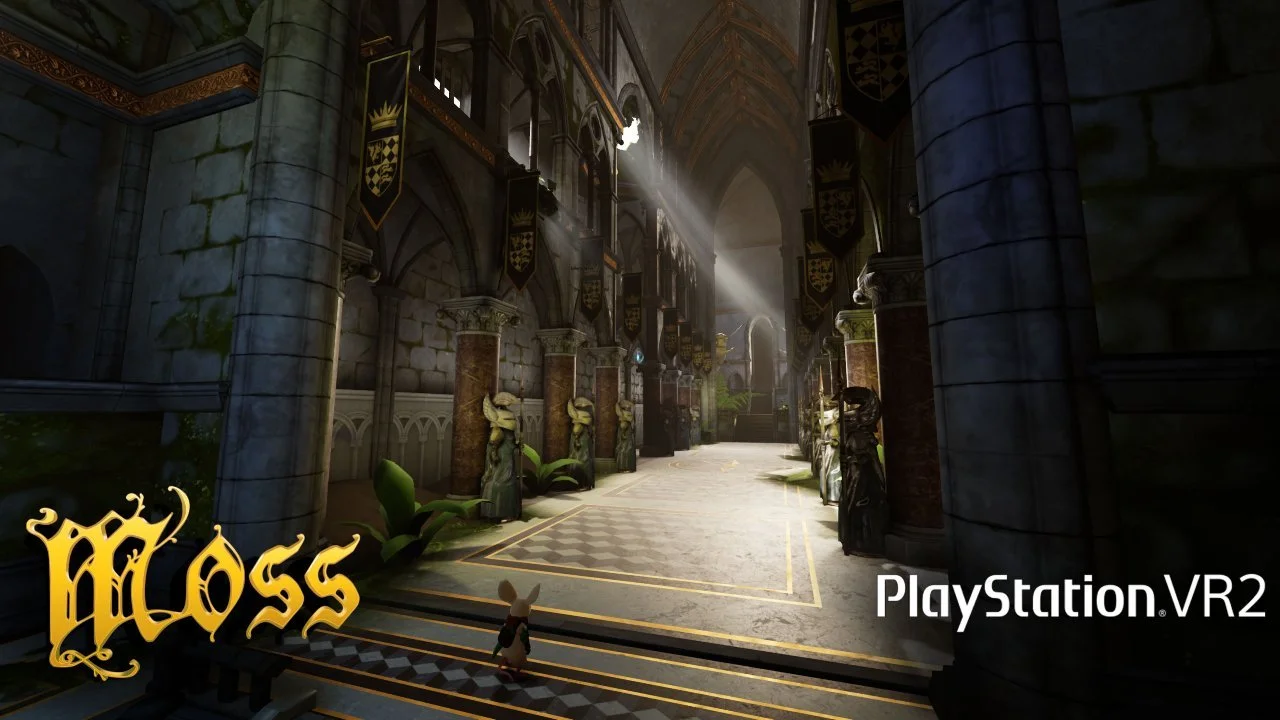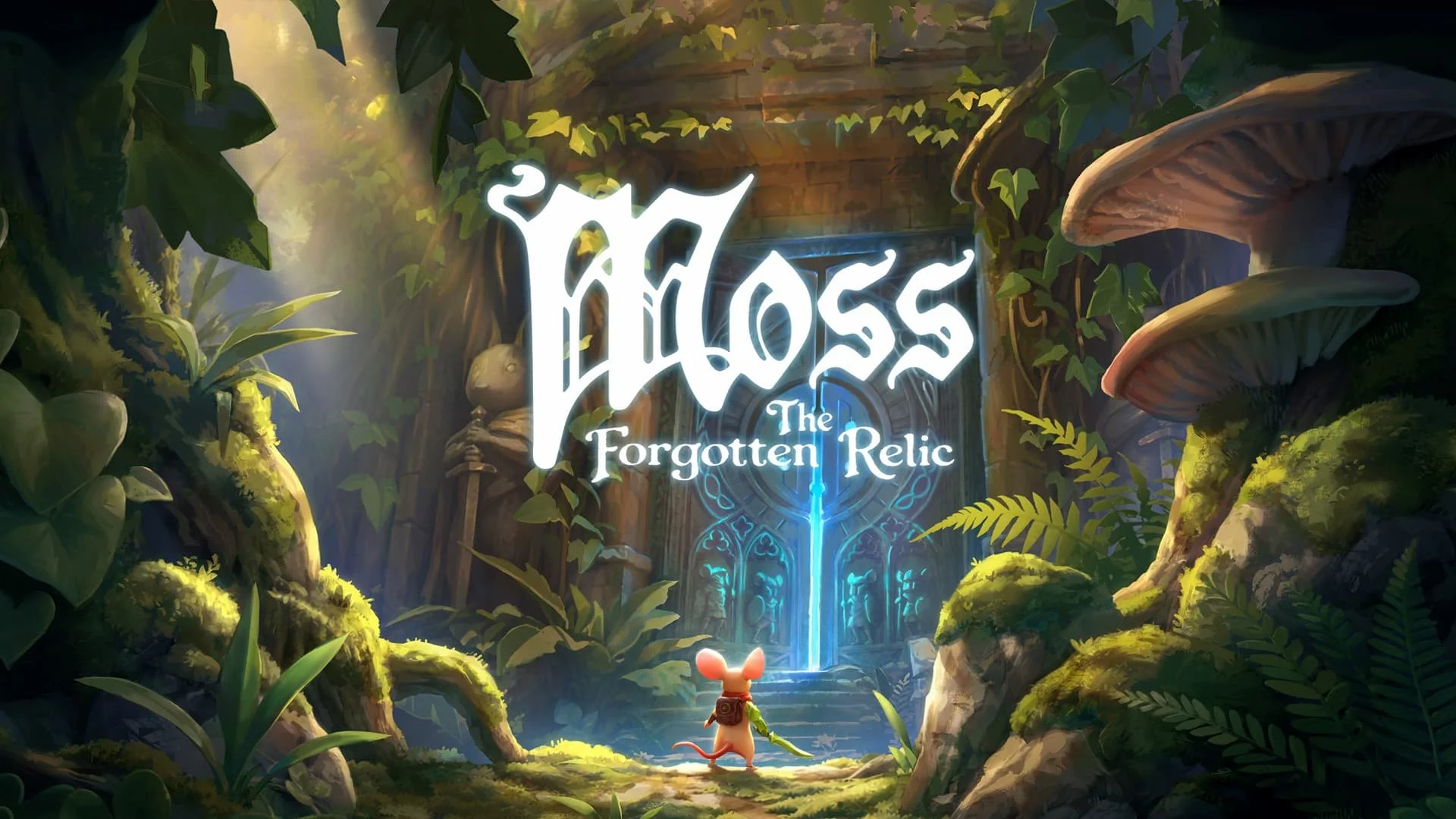
With borderline zero experience in VR games, it is no wonder that critically-acclaimed games such as the Moss series were never on my radar. Still, Polyarc, the developer behind Moss and Moss: Book II, perhaps with gamers like me in mind, chose to merge both games into a single non-VR journey with Moss: The Forgotten Relic. And having played 30 minutes of this upcoming adventure, I’m excited to see what’s waiting for me in the full game.
Not so lost in translation
For a bit of context, the original VR versions of the Moss games featured a sort of second-person perspective. While you controlled Quill, the female protagonist and hero, the actual player was a character in themselves, referred to as The Reader.
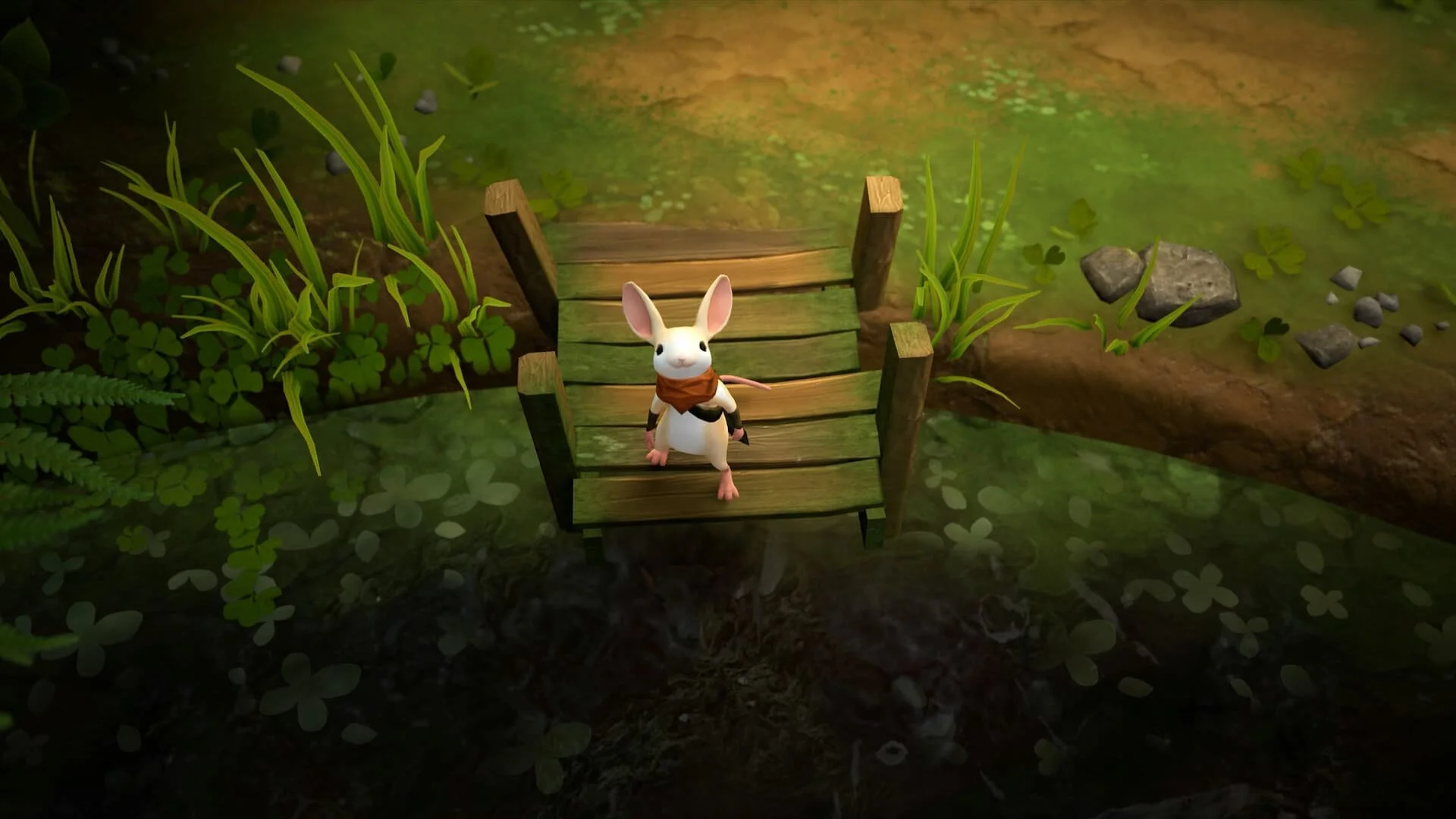
You were able to control Quill, but at the same time, through the use of motion controls, players could assist her in combat and interact with the environment to solve puzzles.
This mechanic is also present in Moss: The Forgotten Relic. However, instead of motion controls, players can interact with the surroundings via the mouse (no pun intended) or, in my case, the right analog stick.
With a fixed camera angle, you can move Quill, attack, and dodge — and at the same time, direct The Reader’s actions, interacting with the world around you and even saving Quill by stopping enemies on their tracks.
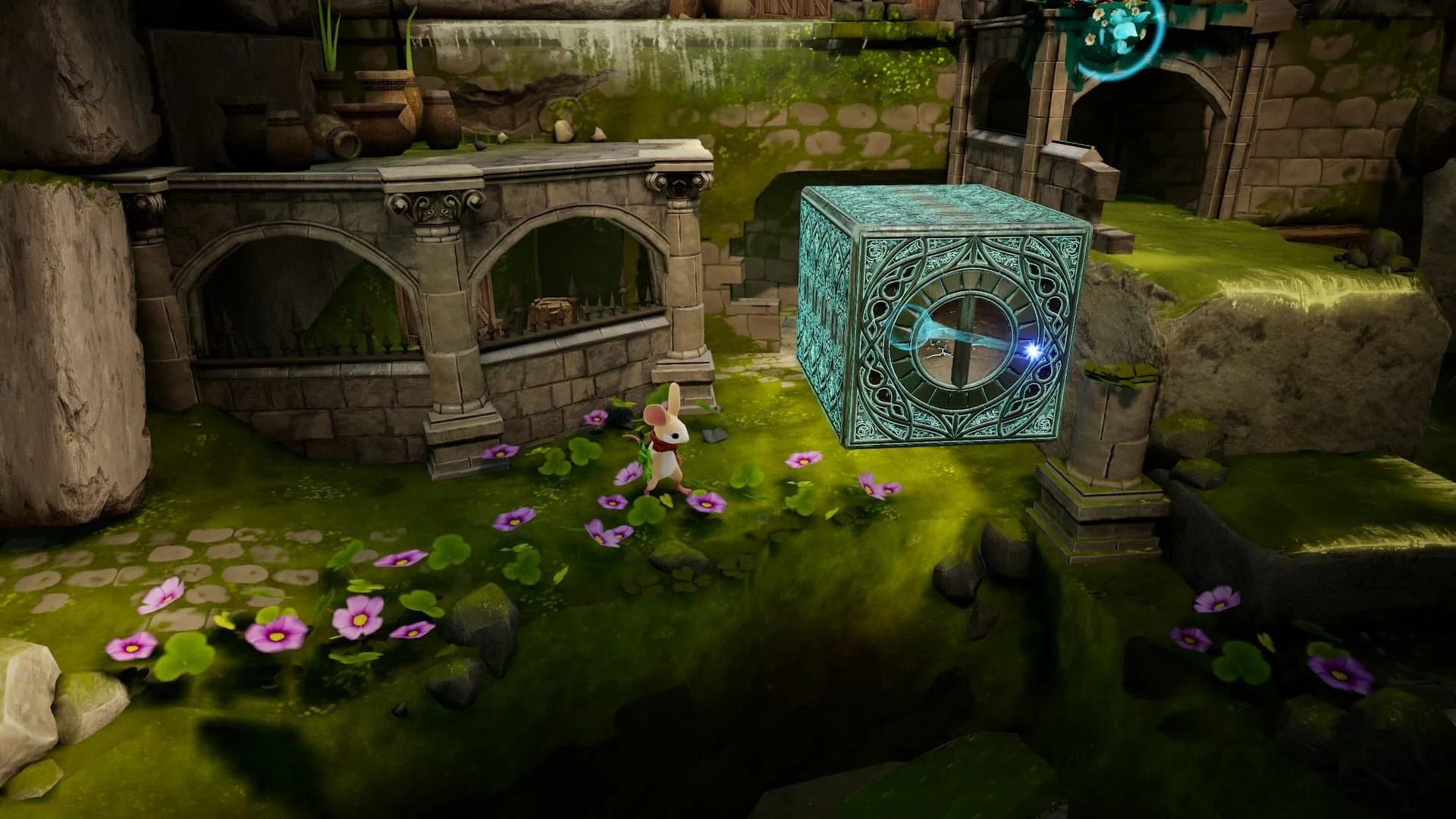
This dual-stick control method caught me off guard at first, as I’m a very “left is movement, right is camera angle” kind of player. But I eventually found my groove, and using both sticks at the same time started to feel natural and engaging.
New perspective, same world
The demo takes place during a non-spoilery section of Moss: Book II. Getting to experience the world while getting to know Quill and learning how she moves and fights was great, with every scenario feeling equally dangerous and cozy. This is thanks, in part, to the amazing music playing in the background, which captures the tone of this magical world perfectly.
The combat is very basic (in a good way). You start the game with just a sword, which you can use to take care of almost every enemy around, or to just trim the grass, as every Zelda fan would. Eventually, you come across the hammer, which allows you to trigger floor switches and also perform a spirit-like charged attack.
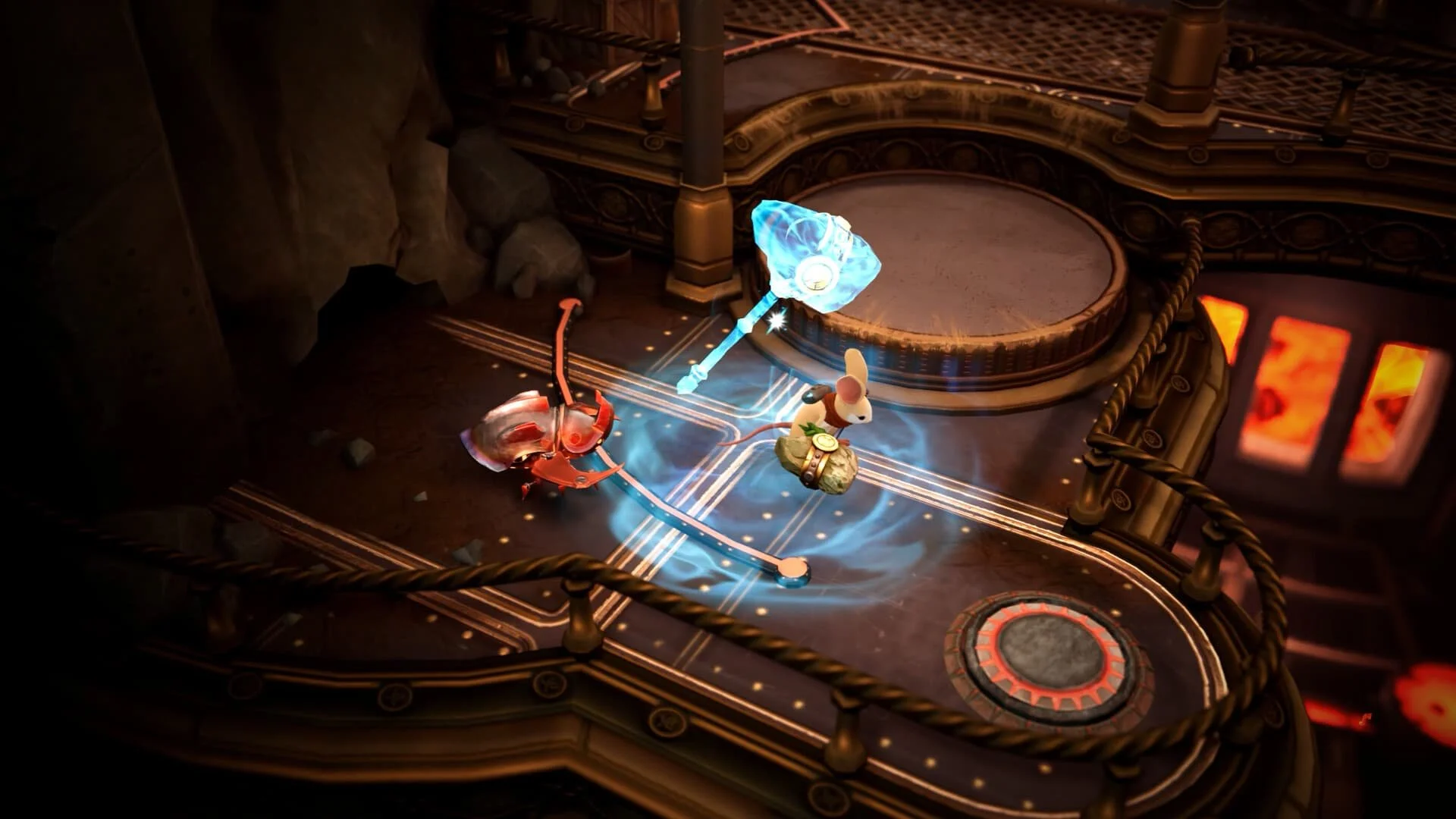
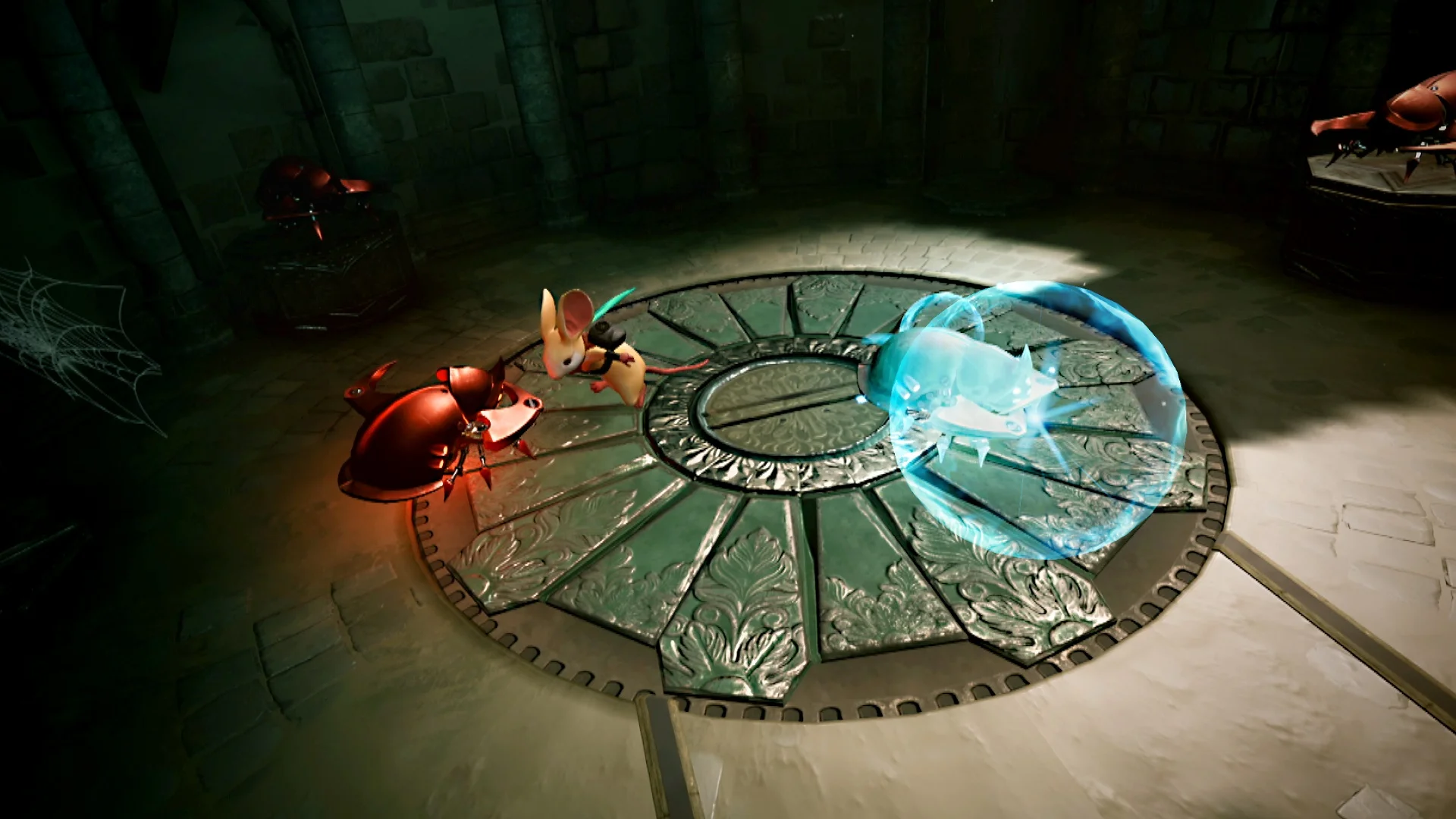
When you charge the hammer, a ghostly hammer will be placed at your current location. Think of it as a mouse trap of sorts. Once an enemy is around, you can trigger it with your Reader abilities to get rid of their armor, making them vulnerable to your regular attacks.
Puzzle solving becomes more complex, then, as triggering the hammer from afar will allow you to hit switches. During the demo, this allowed Quill to go up an elevator that would otherwise be impossible to use. I can only imagine the many creative ways this and other mechanics could be used in the game, making the best of the Quill-Reader dynamic.
Mice-ly done
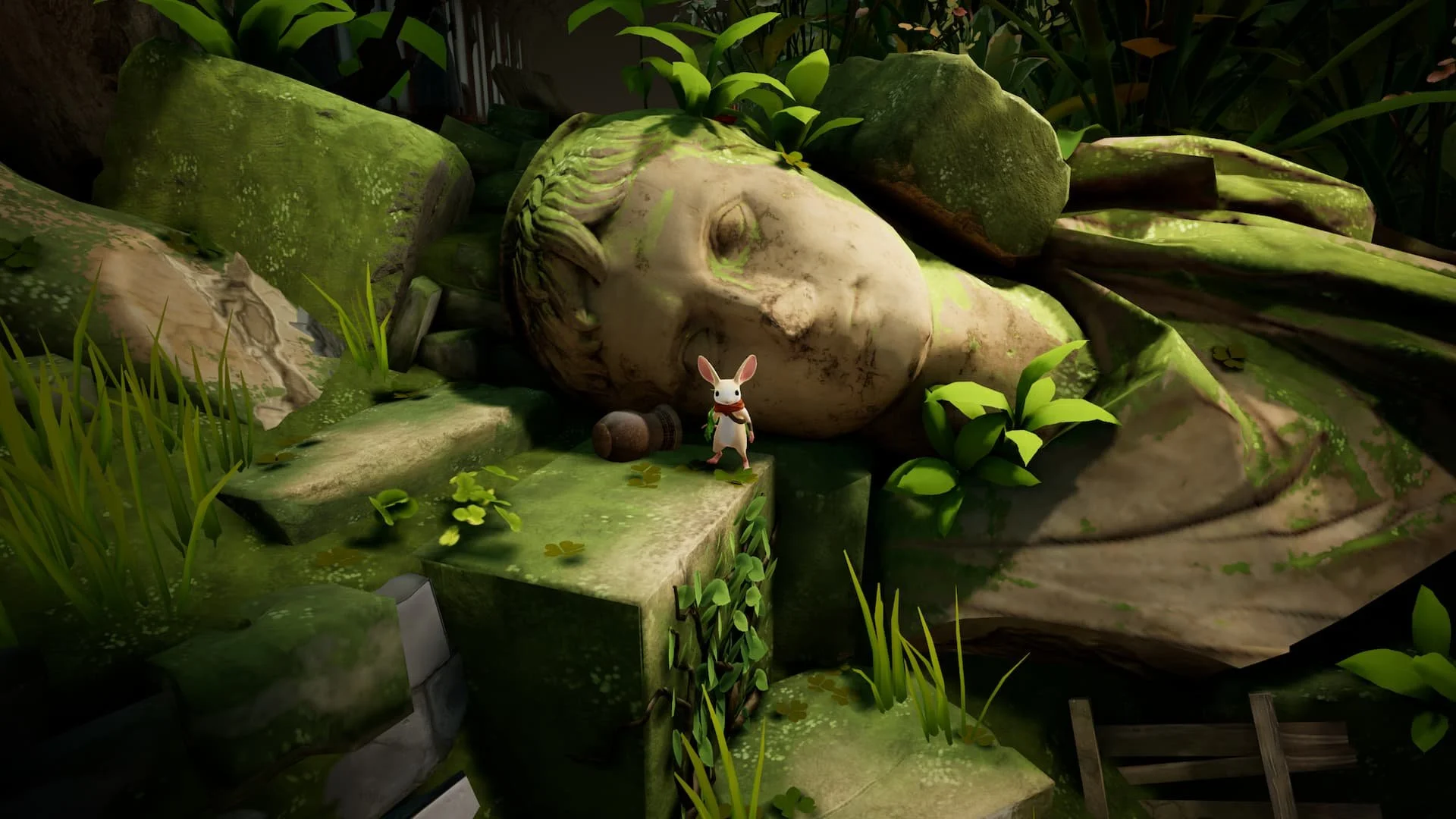
Overall, I’m very excited by what I experienced in Moss: The Forgotten Relic. If the game (that is, the combination of two other games in a single experience) is similar in quality to the demo, then I might find myself buying the next round of cheese for you, Quill girl.
Moss: The Forgotten Relic launches July 16 for PlayStation 5, Xbox Series X|S, Nintendo Switch 2, and PC.